News
  • Upgrading Your PLC System: What You Need to Know
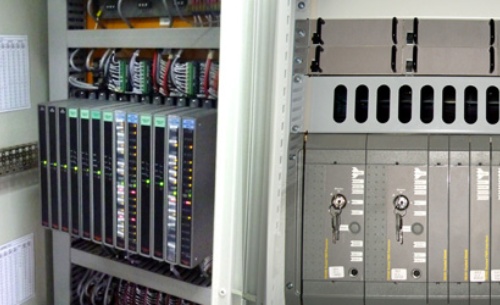
    n Upgrading Your PLC System: What You Need to Know   n Introduction In the rapidly evolving world of industrial automation, staying ahead means keeping your Programmable Logic Controller (PLC) system up to date. As technology advances, upgrading your PLC system is not just a matter of keeping up with trends but also a strategic decision to enhance efficiency, reliability, and scalability in your operations. This article will guide you through the essential aspects of upgrading your PLC system, including when to consider an upgrade, the steps involved, and the benefits you can expect. n When to Upgrade Your PLC System Understanding when it's time to upgrade your PLC system is crucial for maintaining optimal performance and preventing unexpected downtime. Here are key indicators that signal it might be time for an upgrade: 1.End of Life (EOL) Status: If your PLC components are approaching or have reached their end-of-life status, it’s time to consider an upgrade. Manufacturers often discontinue support and production for older models, making it challenging to find replacement parts or technical support. 2.Performance Issues: If you're experiencing frequent system crashes, slower processing times, or inconsistent performance, it may be a sign that your PLC system is struggling to keep up with current demands. An upgrade can resolve these issues and improve overall system reliability. 3.Integration Challenges: As your facility grows or integrates new technologies, older PLC systems may face compatibility issues. Upgrading to a more advanced PLC can facilitate smoother integration with other systems and devices. 4.Technological Advances: Newer PLC systems often come with advanced features, including enhanced processing power, better communication capabilities, and improved data analytics. Upgrading can provide access to these advancements, keeping your operations at the cutting edge. n Steps to Upgrade Your PLC System Upgrading your PLC system involves several critical steps to ensure a smooth transition and minimal disruption to your operations: 1.Assessment and Planning: Begin by conducting a thorough assessment of your current PLC system, including hardware and software components. Identify the specific needs and goals of your upgrade. Develop a detailed plan that outlines the scope of the upgrade, budget, timeline, and potential impact on operations. 2.Selecting the Right Upgrade: Choose a new PLC system that meets your current and future needs. Consider factors such as processing power, communication capabilities, compatibility with existing equipment, and support options. Consulting with a PLC specialist or automation expert can help you make an informed decision. 3.Implementation: Once you have selected your new PLC system, the implementation phase involves installing and configuring the new hardware and software. Ensure that your team is trained on the new system and that proper testing is conducted before full deploym...
    View more
    01

    Aug

  • The Role of PLCs in Ensuring Industrial Safety
    The Role of PLCs in Ensuring Industrial Safety   In today's rapidly evolving industrial landscape, safety remains a paramount concern. The integration of advanced technologies has revolutionized the way industries operate, with Programmable Logic Controllers (PLCs) playing a crucial role in maintaining and enhancing safety standards. This article explores the vital role PLCs play in industrial safety, focusing on their application in emergency stop systems, safety interlocks, and overall process monitoring. Ø The Importance of Safety in Industrial Environments Safety is a foundational aspect of any industrial operation, as it ensures the well-being of workers and the protection of equipment and infrastructure. Industrial environments often involve complex machinery and hazardous processes, making it essential to implement robust safety measures. PLCs have emerged as a key technology in this regard, providing reliable and flexible control systems that can automate safety functions and respond swiftly to emergencies. PLCs are widely used in various industries, including manufacturing, petrochemicals, mining, and energy. Their versatility allows them to be customized for specific applications, enabling industries to adhere to stringent safety regulations and standards. By automating critical safety functions, PLCs not only help prevent accidents but also minimize the risk of equipment damage and operational downtime. Ø Emergency Stop Systems: A Lifesaving Feature One of the most critical applications of PLCs in industrial safety is in emergency stop systems. These systems are designed to immediately halt machinery or processes in the event of a hazardous situation, protecting both personnel and equipment. The integration of PLCs into emergency stop systems enhances their functionality, enabling rapid response times and precise control over shutdown procedures. PLCs monitor various inputs, such as sensors and switches, to detect emergency conditions. Upon detection, the PLC executes a predefined emergency stop protocol, which can include shutting down specific machinery, isolating hazardous areas, or activating alarms. This automation ensures that emergency stops are executed efficiently and consistently, reducing the potential for human error. Moreover, PLCs can be programmed to conduct self-diagnostics and regular system checks, ensuring that emergency stop systems are always in a state of readiness. This proactive approach to maintenance further enhances safety by identifying and addressing potential issues before they lead to critical failures. Ø Safety Interlocks: Preventing Unauthorized Access and Operation Safety interlocks are another essential safety feature managed by PLCs. These systems prevent unauthorized access to machinery or hazardous areas, ensuring that equipment is only operated under safe conditions. Safety interlocks can be mechanical, electrical, or software-based, and are often integrated with PLCs to provid...
    View more
    30

    Jul

  • Case Study: Successful Implementation of PLC Across Industries
    Case Study: Successful Implementation of PLC Across Industries   Introduction Programmable Logic Controllers (PLCs) have revolutionized the automation landscape, enabling industries to streamline operations, enhance productivity, and reduce costs. This article explores real-life case studies from various industries, showcasing how PLCs have been successfully implemented to solve specific challenges. These examples highlight the versatility and effectiveness of PLC technology in addressing diverse industrial needs. Enhancing Efficiency in the Automotive Industry In the automotive industry, efficiency and precision are critical. A major automotive manufacturer faced challenges with its assembly line's speed and accuracy. The company implemented a PLC-based control system to optimize the assembly process. This system integrated sensors and actuators to monitor and control various stages of production, ensuring consistent quality and reducing downtime. The results were significant: the PLC system enabled real-time monitoring and adjustments, leading to a 20% increase in production speed and a 15% reduction in defects. Additionally, the automated data collection improved traceability and quality control, helping the company meet stringent industry standards and customer expectations. Improving Safety and Reliability in Chemical Manufacturing Safety and reliability are paramount in the chemical industry, where hazardous materials and processes pose significant risks. A chemical plant experienced frequent equipment failures and safety incidents, primarily due to manual control methods and outdated technology. The plant implemented a PLC system to automate monitoring and control of critical processes, including temperature, pressure, and chemical mixing. The new system enhanced operational safety by providing accurate and timely data, allowing for immediate corrective actions. It also improved equipment reliability, as the PLC could detect and address potential issues before they escalated. This led to a 25% reduction in maintenance costs and a 30% decrease in safety incidents, underscoring the importance of advanced automation in maintaining safe and efficient operations. Streamlining Food and Beverage Production In the food and beverage industry, maintaining product consistency and compliance with hygiene standards is crucial. A leading beverage company faced challenges with manual production processes, which resulted in inconsistent product quality and high waste levels. The company introduced a PLC system to automate key production stages, including mixing, bottling, and packaging. The implementation of PLCs allowed for precise control over the production parameters, ensuring consistent product quality. The system also facilitated real-time data collection and analysis, enabling the company to optimize resource usage and reduce waste. As a result, the company achieved a 20% increase in production efficiency and a 15% reduction in waste, enhancin...
    View more
    26

    Jul

  • The Future of PLC in Industry 4.0
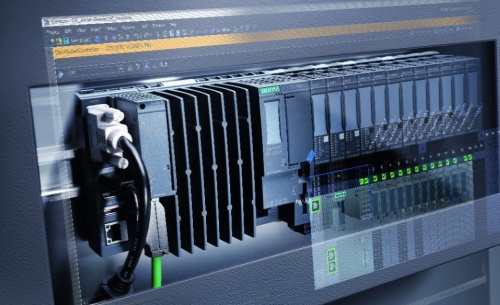
    The Future of PLC in Industry 4.0   l Introduction The industrial landscape is undergoing a transformative shift with the advent of Industry 4.0, characterized by the integration of advanced digital technologies into manufacturing processes. At the heart of this transformation lies the Programmable Logic Controller (PLC), a cornerstone of industrial automation for decades. As the industry moves towards more intelligent, interconnected, and efficient systems, PLCs are evolving to meet the demands of Industry 4.0. This blog explores how PLCs are adapting to incorporate Internet of Things (IoT) and Artificial Intelligence (AI) technologies, ensuring they remain pivotal in the future of industrial automation. l PLC Evolution in Industry 4.0 1.Integration with Internet of Things (IoT) The integration of PLCs with IoT is revolutionizing industrial automation by enhancing connectivity and data exchange. IoT-enabled PLCs can communicate with a vast array of devices and sensors, facilitating real-time monitoring and control of industrial processes. This connectivity allows for more precise and efficient operations, as data from various sources can be aggregated and analyzed to optimize performance. One of the key benefits of IoT integration is predictive maintenance. By continuously monitoring equipment health and performance, IoT-enabled PLCs can predict potential failures before they occur, reducing downtime and maintenance costs. Additionally, remote monitoring and control capabilities enable operators to manage processes from anywhere, increasing flexibility and responsiveness. Feature Benefit Example Real-time Monitoring Enhanced operational efficiency Continuous tracking of machine performance Predictive Maintenance Reduced downtime and maintenance costs Predicting equipment failures Remote Control Increased flexibility and responsiveness Managing processes from any location   2.Leveraging Artificial Intelligence (AI) Artificial Intelligence (AI) is another transformative technology driving the evolution of PLCs in Industry 4.0. By integrating AI algorithms, PLCs can process vast amounts of data and make intelligent decisions autonomously. This capability is particularly valuable in complex and dynamic industrial environments where rapid decision-making is crucial. AI-powered PLCs can optimize production processes by learning from historical data and identifying patterns that lead to inefficiencies. For example, in a manufacturing line, AI algorithms can adjust parameters in real-time to ensure optimal product quality and reduce waste. Moreover, AI can enhance safety by predicting hazardous conditions and initiating preventive actions. The synergy between AI and PLCs also extends to collaborative robots, or cobots. These robots work alongside human operators, and AI-driven PLCs can enhance their performance by enabling more sophisticated interactions and adaptive behaviors. This collaboration not only improves productivity but al...
    View more
    24

    Jul

  • Troubleshooting Common PLC Problems: Tips and Tricks
    Troubleshooting Common PLC Problems: Tips and Tricks Introduction Programmable Logic Controllers (PLCs) are integral to modern industrial automation systems, ensuring seamless operation of various processes. However, like any sophisticated technology, PLCs can encounter issues that may disrupt operations. This article delves into common PLC problems and offers practical tips and tricks to troubleshoot and resolve these issues, helping maintain optimal performance and minimizing downtime. Identifying Communication Errors One of the most common issues with PLCs involves communication errors between the PLC and other devices in the network. These errors can manifest as intermittent connectivity, loss of data, or complete communication failure. To address these issues, consider the following steps: 1. Check Physical Connections: Ensure that all cables and connectors are securely plugged in. Loose or damaged cables are often the root cause of communication problems. 2. Verify Network Configuration: Double-check the network settings, including IP addresses, subnet masks, and gateway configurations. Any mismatched settings can disrupt communication. 3. Inspect Communication Modules: If the PLC uses external communication modules, ensure they are functioning correctly and have the latest firmware updates. --Tips for Troubleshooting Communication Errors Problem Possible Cause Solution Intermittent Connectivity Loose cables Secure all connections Loss of Data Network congestion Optimize network traffic and configurations Complete Communication Failure Incorrect IP settings Verify and correct IP settings By systematically addressing these potential causes, you can quickly identify and resolve communication issues, ensuring smooth PLC operation. Addressing Power Supply Problems Power supply issues are another frequent source of PLC problems. An unstable or inadequate power supply can cause the PLC to malfunction or shut down entirely. To troubleshoot power supply problems, follow these steps: 1. Check Power Source: Ensure that the power source supplying the PLC is stable and within the specified voltage range. 2. Inspect Power Supply Unit (PSU): Examine the PLC's PSU for any signs of damage or wear. Replace the PSU if it shows signs of failure. 3. Test for Electrical Interference: Electrical noise from nearby machinery or equipment can interfere with the PLC's power supply. Use noise filters or shielding to mitigate this interference. -Tips for Ensuring Reliable Power Supply Problem Possible Cause Solution PLC Shutdown Unstable power source Stabilize power source or use a UPS Malfunctions Damaged PSU Replace the PSU Electrical Interference Nearby machinery noise Install noise filters or shielding By ensuring a stable and clean power supply, you can prevent many PLC-related issues and maintain continuous operation. Dealing with Software and Programming Errors Software and programming errors are also common culprits in PLC issues. These errors can arise from i...
    View more
    22

    Jul

  • How PLCs Revolutionize Automation in Manufacturing
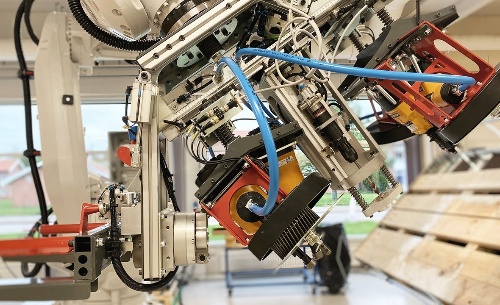
    How PLCs Revolutionize Automation in Manufacturing   ² Introduction -----Programmable Logic Controllers (PLCs) have become indispensable in modern manufacturing, driving significant advancements in automation. These robust and flexible control systems streamline manufacturing processes, enhance efficiency, and minimize downtime, fundamentally transforming the industry. As factories become smarter and more interconnected, the role of PLCs in optimizing operations continues to grow, offering manufacturers unparalleled control and adaptability. ² Streamlining Manufacturing Processes -----PLCs streamline manufacturing processes by automating complex tasks and ensuring precise control over machinery. Unlike traditional control systems, PLCs are designed to handle multiple inputs and outputs, making them ideal for managing intricate manufacturing operations. By automating repetitive tasks, PLCs free up human resources for more strategic roles, improving overall productivity. -----For instance, in an assembly line, PLCs can control the sequence of operations, from material handling to quality inspection, with remarkable accuracy. This automation not only speeds up production but also reduces the likelihood of errors, ensuring consistent product quality. Additionally, PLCs can easily be reprogrammed to adapt to new processes or products, offering manufacturers the flexibility to respond to market demands swiftly. ² Improving Efficiency -----Efficiency is crucial in manufacturing, and PLCs play a pivotal role in optimizing it. One of the primary ways PLCs enhance efficiency is through real-time monitoring and data collection. By continuously monitoring machinery and processes, PLCs can identify inefficiencies and potential issues before they escalate. This proactive approach allows manufacturers to make informed decisions and implement corrective actions promptly. -----Moreover, PLCs facilitate predictive maintenance, which significantly boosts efficiency. By analyzing data from sensors and machinery, PLCs can predict when a component is likely to fail and schedule maintenance accordingly. This prevents unexpected breakdowns and minimizes downtime, ensuring smooth and uninterrupted production. ² Key Benefits of PLCs in Manufacturing Benefit Description Streamlined Processes Automates complex tasks, ensuring precise control and consistency. Enhanced Efficiency Real-time monitoring and data collection for proactive decision-making. Reduced Downtime Predictive maintenance to prevent unexpected breakdowns. Flexibility Easy reprogramming to adapt to new processes or products. Improved Safety Integrated safety features to protect workers and equipment. ² Reducing Downtime -----Downtime is a major concern in manufacturing, leading to significant financial losses. PLCs are instrumental in minimizing downtime through their advanced diagnostic capabilities and quick response times. When an issue is detected, PLCs can isolate the proble...
    View more
    09

    Jul

  • The Essential Role of PLC Input Interface Modules in Modern Automation
    The Essential Role of PLC Input Interface Modules in Modern Automation   Introduction Programmable Logic Controllers (PLCs) have become the cornerstone of modern industrial automation, facilitating efficient, reliable, and scalable control over complex processes. At the heart of every PLC system lies a crucial component – the PLC input interface module. This module serves as the primary conduit through which various signals from sensors and other devices are received and processed. In this article, we explore the essential functions of PLC input interface modules, their impact on industrial operations, and the technological advancements driving their evolution. Understanding PLC Input Interface Modules PLC input interface modules are integral to the operation of automation systems, acting as the first point of contact for external signals. These modules are designed to convert signals from field devices, such as sensors, switches, and transducers, into a format that can be read and processed by the PLC. Typically, input modules handle a range of signal types, including digital, analog, and special-purpose signals. 1. Digital Input Modules Digital input modules are used to process binary signals, which are either on or off. These signals often come from devices like limit switches, push buttons, and photoelectric sensors. The main function of digital input modules is to monitor the state of these devices and communicate their status to the PLC for further action. This binary nature makes digital inputs straightforward yet vital for applications requiring precise state monitoring. 2. Analog Input Modules Analog input modules handle signals that vary continuously over a range. These modules are essential for processing data from sensors measuring variables such as temperature, pressure, flow, and level. Unlike digital inputs, analog inputs provide a continuous range of values, offering a more nuanced and detailed view of process conditions. The analog signals are typically converted into digital form using Analog-to-Digital Converters (ADCs) before being processed by the PLC. 3. Special-Purpose Input Modules Special-purpose input modules cater to specific requirements beyond the capabilities of standard digital and analog modules. Examples include high-speed counter modules, thermocouple input modules, and RTD (Resistance Temperature Detector) input modules. These specialized modules are designed to meet unique application needs, such as high-speed counting in packaging machines or precise temperature measurements in chemical processing. The Impact of PLC Input Interface Modules on Industrial Operations The functionality and reliability of PLC input interface modules directly influence the performance and efficiency of automation systems. Effective input module design ensures accurate data acquisition, which is critical for making informed decisions and maintaining optimal process control. Let's delve into the key impacts these m...
    View more
    05

    Jul

  • The Rise of Digital Modules: Shaping the Future of Industrial Automation
    The Rise of Digital Modules: Shaping the Future of Industrial Automation   Introduction In today's rapidly evolving field of industrial automation, the application of digital modules is becoming increasingly prevalent. As critical components of modern control systems, digital modules play a vital role in enhancing production efficiency, ensuring operational reliability, and optimizing resource utilization. This article delves into the fundamental concepts of digital modules, their applications in industrial automation, and future development trends. Understanding Digital Modules Digital modules are hardware components used in control systems to process digital signals. They can receive, process, and send digital signals, enabling precise control of industrial equipment and processes. There are various types of digital modules, including input modules, output modules, and analog-to-digital conversion modules, each serving specific functions and application scenarios. Input Modules Input modules are designed to receive digital signals from sensors or other devices. These signals can represent switch states, encoder signals, or other discrete inputs. Input modules convert these signals into a form that the control system can process, facilitating monitoring and control of equipment and processes. Output Modules Output modules are responsible for sending digital signals to actuators or other devices. These signals can control motors, valves, relays, and more. Through output modules, control systems can execute predefined operational commands precisely, enabling automated control. Applications of Digital Modules in Industrial Automation Digital modules have wide-ranging applications in industrial automation, spanning manufacturing, energy, chemical, transportation, and more. They not only boost production efficiency but also significantly enhance system flexibility and reliability. Applications in Manufacturing In manufacturing, digital modules are widely used in automated production lines and robotic systems. With digital modules, control systems can monitor and adjust production parameters in real time, ensuring product quality and production efficiency. For instance, in automotive manufacturing, digital modules control welding robots, enabling high-precision and high-speed production operations. Applications in Energy Management In the energy management sector, digital modules are used to monitor and control generation, transmission, and distribution systems. Energy management systems can obtain real-time operating status and parameters of various equipment through digital modules, optimizing energy distribution and usage, and reducing energy consumption and operating costs. For example, in wind farms, digital modules monitor wind speed, direction, and generator status in real time, ensuring the system operates at its best. Trends in Digital Module Development With continuous technological advancements, digital modules are also evolving. In th...
    View more
    03

    Jul

  • How Analog Input Modules Work: Bridging the Physical and Digital Worlds
    How Analog Input Modules Work: Bridging the Physical and Digital Worlds In today's rapidly evolving industrial landscape, the seamless integration of physical processes with digital systems is crucial for efficiency and innovation. Analog input modules play a pivotal role in this integration, serving as the bridge that translates real-world analog signals into digital data that can be processed by computer systems. This article delves into the workings of analog input modules, their significance, and their applications across various industries. The Fundamentals of Analog Input Modules Analog input modules are essential components in data acquisition systems, particularly in industrial automation. These modules are designed to receive analog signals from various sensors and convert them into digital signals that can be read and processed by a Programmable Logic Controller (PLC) or a Distributed Control System (DCS). Analog signals are continuous signals that vary over time and can take any value within a given range. Common examples include temperature, pressure, and voltage levels. To make these signals useful for digital systems, they must be converted into a digital format through a process called Analog-to-Digital Conversion (ADC). How Analog Input Modules Work At the core of an analog input module is the ADC, which is responsible for the conversion process. Here's a step-by-step breakdown of how an analog input module works: 1.Signal Reception: The module receives an analog signal from a sensor. This signal is a continuous voltage or current that corresponds to a physical measurement, such as temperature or pressure. 2.Signal Conditioning: Before conversion, the analog signal often undergoes conditioning. This may include amplification, filtering, and isolation to ensure the signal is within the desired range and free from noise and interference. 3.Analog-to-Digital Conversion: The conditioned signal is then fed into the ADC. The ADC samples the analog signal at regular intervals and converts each sample into a corresponding digital value. The resolution of the ADC, typically measured in bits, determines the precision of the conversion. For example, a 12-bit ADC can represent the analog signal with 4096 discrete levels. 4.Data Transmission: The digital values are then transmitted to the PLC or DCS, where they can be processed, stored, and analyzed. This data can be used for monitoring, control, and automation purposes. Applications of Analog Input Modules Analog input modules are ubiquitous in industries that rely on precise measurement and control of physical processes. Some key applications include: 1.Manufacturing: In manufacturing plants, analog input modules are used to monitor and control machinery and processes. For example, they can measure the temperature of a furnace, the pressure in a hydraulic system, or the speed of a conveyor belt. This real-time data enables automated control systems to maintain optimal operating conditions an...
    View more
    01

    Jul

1 ... 11 12 13 14 15 ... 21

A total of 21 pages

click here to leave a message

Leave A Message
If you are interested in our products and want to know more details,please leave a message here,we will reply you as soon as we can.

Home

Products

about

contact